Tips and Tricks

Tips and Tricks: Recruiting and Assessment

On the latest session we talked about the innovative approaches to assessment and recruiting utilizing SymTrain. Here are the essential insights and strategies discussed, offering valuable guidance for leveraging SymTrain effectively.

  1. Immediate Integration into the Recruitment Process: SymTrain can be introduced to candidates as soon as they submit their application. It’s a strategic move to familiarize candidates with the company’s culture and expectations from the outset, ensuring a seamless fit from both sides.
  2. Enhanced Candidate Engagement: By incorporating SymTrain early, companies can provide candidates with a comprehensive understanding of the role and the organization. This proactive engagement helps in retaining interest throughout the recruitment process, particularly beneficial at stages where drop-off rates are traditionally high.
  3. Customized Candidate Experience: The flexibility of SymTrain allows for customization according to the specific needs of the recruitment process. Whether for initial assessments or deeper engagement, SymTrain serves as a versatile tool to enhance the candidate’s journey.
  4. Template Utilization for Streamlining: The team highlighted the advantage of preparing email templates integrated with deep links to specific simulations. This practice ensures consistency, saves time, and enhances the overall efficiency of the recruitment process.
  5. Avoiding Common Pitfalls: A significant part of the session was dedicated to discussing what not to do, particularly the importance of moving beyond traditional Q&A formats that may not accurately assess a candidate’s true capabilities. SymTrain’s interactive simulations offer a more dynamic and revealing method to gauge potential employees.
  6. Practical Demonstrations for Better Understanding: The team showcased how SymTrain’s Q&A simulations could be set up to provide candidates with clear directions and expectations. This hands-on approach allows candidates to demonstrate their skills and knowledge in a practical context, offering recruiters a deeper insight into their proficiency.

Leveraging SymTrain in the recruitment and assessment process offers a unique and effective way to engage candidates, streamline operations, and ultimately, select the best fit for the organization. The session illuminated numerous best practices, underscoring the importance of integrating technology thoughtfully into human resources processes.

Watch It Again

For a deeper understanding of these strategies and to see the discussed concepts in action, you’re invited to watch the full Tips and Tricks session video. This invaluable resource provides further clarity and inspiration for optimizing your recruitment and assessment practices with SymTrain.


Tips and Tricks

Tips and Tricks: Managing Users and Teams

In a recent Tips and Tricks session, Tanveer Ahmed from the SymTrain team discussed user and team management within the platform, emphasizing the importance of these features for the seamless deployment of new onboarding and coaching processes.

Here are the key takeaways from the session:

  • Creating Teams and Adding Users: Tanveer highlighted the simplicity of the team creation process, which allows for the bulk uploading of users through a straightforward template. This template requires just two pieces of information: the username and email address for each user you wish to add to a team.
  • Prerequisite for Adding Users to Teams: A critical point noted was that users must first be added to the platform before they can be included in any team. This ensures that the system recognizes the type of users being uploaded—be it creators, managers, admins, or trainees—and allows for their proper management within the team structure.
  • Adding Users to Multiple Teams: Addressing a frequently asked question, Tanveer explained that SymTrain offers a streamlined process for adding a single user to multiple teams. This is accomplished through the user’s portal, where admins can edit user profiles to associate them with multiple teams simultaneously, eliminating the need to add a user to each team individually.
  • Benefits of Deactivating Over Deleting Users: The session also covered best practices for user management, such as the recommendation to deactivate rather than delete users. This approach preserves the user’s execution and reporting data, allowing for their potential reactivation in the future.
  • Assigning Sims and Modules: Tanveer discussed the organization of Sims and modules, essential for managing multiple lobbies or vendors within SymTrain. This feature facilitates the efficient allocation of resources and tracking of progress across different teams.

This comprehensive session not only addressed key functionalities within the SymTrain platform but also provided valuable insights into best practices for managing users and teams effectively.

Watch the Full Session on Managing Users

For a more detailed understanding and to see these tips and tricks in action, we invite you to watch the full session video. Explore the platform’s full potential in automating training and coaching for contact center agents.

Unraveling the 2 Sigma Problem with AI Training 

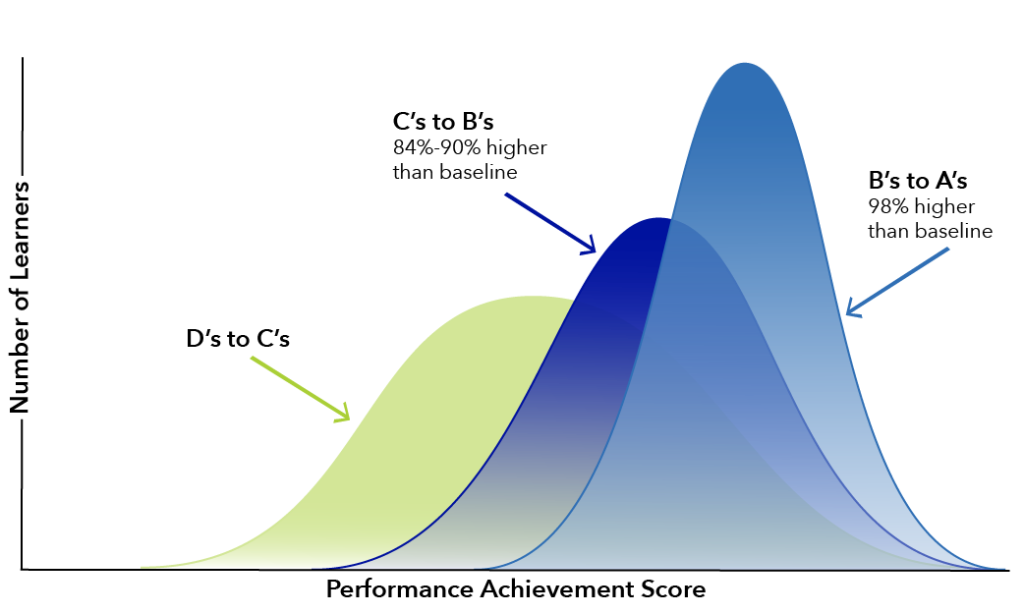
In the world of education, the “2 Sigma Problem” is a well-known challenge. First identified by the educational psychologist Benjamin Bloom, It refers to the idea that there is a significant variance in learning outcomes among students in traditional classroom settings.  

The typical bell curve of learning distribution is observed, where only a small percentage of students excel (A’s), while a larger number perform at an average level (C’s) and some struggle (D’s and E’s). However, when students receive one-on-one tutoring, their performance significantly improves, shifting the curve to the right. 

The same principle can be applied to the realm of contact centers and BPOs, and this is where SymTrain, an AI-powered training and coaching platform, comes into play, turning average agents into top performers and unlocking their full potential. 

The 2 Sigma Problem in Contact Centers 

Contact centers play a pivotal role in customer service and support for countless businesses. A significant 52% of consumers acknowledge that they have made an extra purchase from a company following a positive customer service experience, according to Nextiva.  

That is the reason why agents are at the forefront of a business image, since their performance directly impacts customer satisfaction, retention, and overall business success. Like students in a classroom, contact center agents also exhibit a range of performance levels, and it’s not uncommon to see a bell curve distribution where some agents excel while others struggle. 

Typically, a contact center might have agents who handle customer inquiries, support requests, or sales calls, and their performance is measured based on key metrics such as response time, resolution rate, and customer satisfaction scores. Just as in education, the traditional approach to training and coaching in contact centers often results in a distribution of performance, with only a few agents achieving exceptional results. 

SymTrain: Transforming Contact Center Performance 

SymTrain applies the concept of one-on-one tutoring to the contact center environment using tailored Automated Role-Play and simulations, addressing the “2 Sigma Problem” head-on in different ways: 

Personalized Learning 

One of the key features of SymTrain is its ability to personalize learning experiences for each agent. Through advanced AI training and coaching, SymTrain assesses an agent’s strengths and weaknesses, identifies areas for improvement, and tailors training modules accordingly. This personalized approach ensures that agents receive the exact support they need when facing customers. 

Real-Time Feedback and Coaching 

SymTrain offers real-time feedback and coaching to agents during customer interactions. Using speech and sentiment analysis, it provides agents with insights on their tone, language, and problem-solving skills. This immediate feedback helps agents make adjustments on the fly, improving their performance in real-time. 

Continuous Improvement 

Unlike traditional training programs that are often one-off events, SymTrain promotes continuous improvement for tenure agents. It creates a feedback loop where agents are constantly learning and growing, leading to long-term performance enhancements. 

Scalability 

One of the most remarkable aspects of SymTrain is its scalability. Just as the one-on-one tutoring model significantly improves academic outcomes, SymTrain can elevate the performance of an entire contact center. Imagine a contact center with 10,000 agents where 4,000 agents move from average (C) to excellent (B) performance levels. The impact on customer service and business results can be substantial. 

This makes trainers’ life way easier, and leaves the practice to SymTrain. I love how it easily gives overall insights and data to our strong and weak performers to be able to help uplevel their performance on where they specifically struggle. As a trainer this is gold, and I can already tell it’s going to free up more than 50% of my time”, Trainer, Global BPO.

SymTrain represents a paradigm shift in how contact centers approach agent training and coaching. By applying the principles of the “2 Sigma Problem” from education to the contact center environment using AI simulations, SymTrain is turning the traditional bell curve of agent performance into a bell curve of excellence. 

Through personalized learning and scalability, SymTrain empowers contact center agents to reach their full potential, delivering superior customer experiences and driving business success.  

Tips and Tricks

Tips and Tricks: Training Plans

In the most recent Tips and Tricks session, Jamie Leckband offered a complete overview of SymTrain’s new product: Training Plans, a tool that simplifies the creation of curriculum-based training.

Product Overview

Training Plans is designed to streamline the process of creating and managing training curriculums. With the ability to set success criteria, including completion requirements and test parameters, Training Plans provides a flexible yet structured approach to learning. Users can specify how many times a module needs to be completed, even in test mode, and define what constitutes a passing score.

Functionality Highlights

  • Setting Parameters: Trainers can set specific parameters for test modes, allowing for customization of the training experience according to different learning outcomes.
  • Module Completions: Users have the ability to limit the number of attempts for each module. For instance, if a module is set to one completion (1X) in the test mode, it will shade out after the one attempt.
  • Sequential Learning: Training Plans can be structured to ensure sequential learning, where agents must complete all exercises from Day 1 before moving on to Day 2. However, if Day 2 is assigned, learners will see it but have the option to lock it until Day 1 is completed successfully.
  • Reporting and Analytics: A specialized report for Training Plans is in the works, set to launch alongside the product. This report will allow trainers to monitor and assess the progress of learners effectively.

Training Plans is poised to be a robust solution for trainers looking to customize and control the training process. With its upcoming release, the team is committed to ensuring that it meets the diverse needs of its users, with features that support both structured learning paths and detailed progress reports.

Watch It Again!

We invite you to watch the full session in the video. Discover firsthand how this technology can optimize your training strategy, improve agent performance, and ultimately elevate customer service standards.

Leveraging Data-Driven Insights in AI Simulation Coaching  

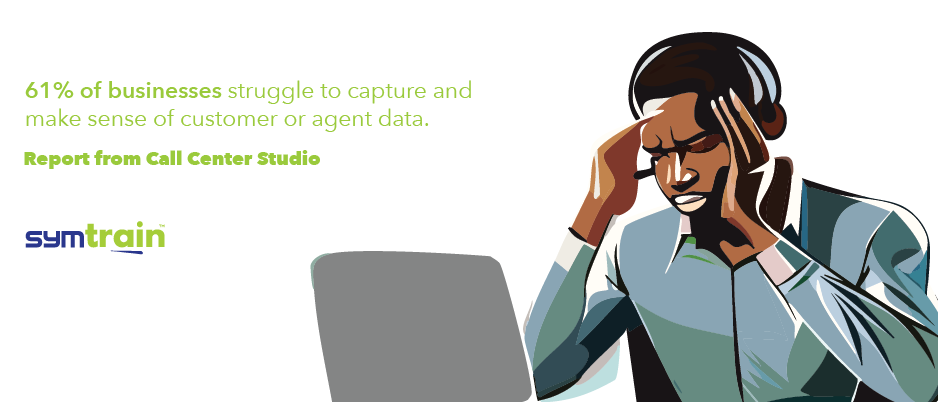
The criticality of data in contact centers cannot be overstated. According to a report on Call Center Studio, 61% of businesses struggle to capture and make sense of customer or agent data. This means that a significant percentage of businesses struggle to capture and effectively utilize the data they are getting, which is essential for delivering superior customer experiences, or improving team performance. These impacts kill the bottom line, prevent sales and damage brands. 

Data-driven insights provide a comprehensive view of contact center operations, from agent performance metrics like Conversion Rates, Average Handle Time (AHT), and First Contact Resolution (FCR) to customer satisfaction scores. These insights are very important in identifying areas for improvement and optimizing agent performance. The use of analytics not only enhances operational efficiency but also empowers teams to adapt swiftly to changing demands and customer needs. 

The Role of Reporting and Insights 

The advantage of SymTrain’s innovative approach lies in its ability to gather and analyze feedback data meticulously. This data is instrumental in crafting real-time narratives that not only improve existing training modules but also aid in the development of new simulations. These simulations are specially designed to address high-frequency and high-impact topics, ensuring agents are well-versed in scenarios they are most likely to encounter. 

Pinpointing Struggle Areas for Targeted Coaching 

One of the most impactful features of SymTrain’s technology is its ability to provide granular insights into areas where agents struggle. By harnessing sophisticated data analytics, trainers can identify specific challenges faced by agents. This level of detail allows for the provision of targeted additional coaching, ensuring that agents receive the support they need to overcome their weaknesses. 

Real-Time Feedback and Asynchronous Coaching 

SymTrain’s advancement in reporting data extends to real-time feedback capabilities, even in asynchronous training settings. This feature is crucial in ensuring that AI simulation coaching is not only interactive but also highly adaptive to individual agent needs. By catering to specific learning styles and challenges, the coaching becomes more efficient and effective. 

Modularity and Adaptability in Coaching 

The flexibility and adaptability of SymTrain’s AI simulation coaching are key factors in its effectiveness. This modular nature allows it to be tailored to various skill levels and learning paces, ensuring that every agent, regardless of their starting point, can achieve proficiency 50% faster than usual. 

“This tool is also invaluable for accountability and for gauging the level of motivation among new hires. With a fully remote workforce where no one turns on their camera or mic during training, it becomes challenging to discern their level of engagement or whether they are actively listening, but SymTrain solves that.” – Casey Allgood, Corporate Trainer at Unified Health. 

Data-driven insights in AI simulation coaching is not a reality any company can achieve, and it marks a step forward in learning and development. It empowers training leaders and managers to ensure that agents are not only proficient but also confident and efficient in their interactions with live customers.  

Tips and Tricks

Tips & Tricks: Identifying Practice Behaviors

In a recent Tips and Tricks session, Jamie Leckband offered an in-depth look at harnessing SymTrain’s Results Report Playback feature to identify and refine the practice behaviors of contact center agents. This powerful tool allows trainers to analyze interactions in simulated environments, offering valuable insights into agent performance. Below are the key takeaways from the session, providing a glimpse into the potential of SymTrain’s technology to transform training.

Key Takeaways

  • Comprehensive Reporting: SymTrain provides six distinct reports, each tailored to offer insights into different aspects of agent performance. This diversity in reporting ensures a holistic view of agent capabilities and areas for improvement.
  • Detailed Session Playback: The playback feature is a game-changer, allowing for a detailed review of practice sessions. Trainers can observe and analyze minute details such as speech pace, pauses, energy levels, and the impact of external noise, providing a rich context for feedback.
  • Behavioral Insights: Through careful analysis, trainers can identify key behaviors that impact performance. This includes the agent’s ability to maintain engagement without rushing, manage their tone and energy, and ensure clarity of communication despite potential background noise.
  • Practical Examples: Jamie illustrated the feature’s utility with real examples, showing how repetitive practice and detailed review can lead to noticeable improvements in performance. By comparing practice sessions, trainers can pinpoint specific areas for enhancement.
  • Opportunities for Improvement: The session underscored the importance of continuous practice and feedback. By identifying both strengths and areas needing development, trainers can offer targeted advice to agents, fostering growth and confidence.

Watch It Again!

The session shed light on the critical role of SymTrain’s Results Report Playback feature in elevating the training and coaching of contact center agents. By leveraging detailed analytics and insights, trainers can significantly enhance the effectiveness of their training programs.

We invite you to watch the full session in the video. Discover firsthand how this technology can optimize your training strategy, improve agent performance, and ultimately elevate customer service standards.

Tips and Tricks

Tips and Tricks: Labeling Based on Coaching Objectives

In the recent Tips and Tricks session, Dan McCann, CEO of SymTrain, shared valuable insights on enhancing training and coaching using SymTrain’s features. The session covered three main topics designed to streamline training efforts and improve outcomes. Here are the key takeaways:

  1. Tagging and Labeling Based on Skills and Coaching Objectives: SymTrain now allows for more detailed tracking and analysis of agent performance through tags and labels. These can be aligned with specific skills and coaching objectives, enabling trainers to customize their feedback and development plans more effectively.
  2. Viewing Completion Data and Scores within SymTrain: The platform has been updated to provide immediate access to completion data and scores. This feature ensures that trainers and managers can quickly assess the progress and proficiency of their agents, making it easier to identify areas where additional support or training is required.
  3. Demonstration of Training Plans and Coaching: Dan McCann showcased how Training Plans and Coaching within SymTrain could be used to further streamline training and coaching efforts. These tools allow for a more structured approach to training, ensuring that agents receive consistent, targeted instruction that aligns with their specific needs and the organization’s goals.
  4. Introducing 5-Minute Coaching Calls: An ongoing, concise assessment and coaching initiative designed to empower agents in their professional development. In just 5 minutes each week, agents engage in targeted exercises to refine skills and enhance efficiency. During weekly team meetings or personalized 1:1 sessions, agents reflect on their progress, celebrate achievements, and identify areas for improvement using tools like the Weekly Scorecard and SymActivity Report.

This session not only provided a practical demonstration of SymTrain’s capabilities but also inspired attendees to explore new ways to leverage technology in their training and development strategies.

Missed the live session?

Don’t worry. The complete workshop provides an in-depth exploration of the practical applications of SymTrain, ensuring you can unlock its full potential for your contact center’s training requirements:

SymTrain’s QA Targeted Agent Coaching 

Quality Assurance (QA) in contact centers is an essential aspect that significantly impacts customer satisfaction and overall business performance. QA processes are designed to ensure that customer interactions are effective, professional, and align with the company’s standards. Effective QA strategies lead to improved customer experiences, enhanced agent performance, and, ultimately, increased business success. 

Importance and Impact of QA in Contact Centers 

Enhancing Customer Satisfaction: QA processes play a crucial role in monitoring and improving the quality of customer-agent interactions. By ensuring that each interaction meets a high standard, contact centers can significantly enhance customer satisfaction. According to a report by Microsoft, 58% of American consumers will switch companies because of poor customer service. 

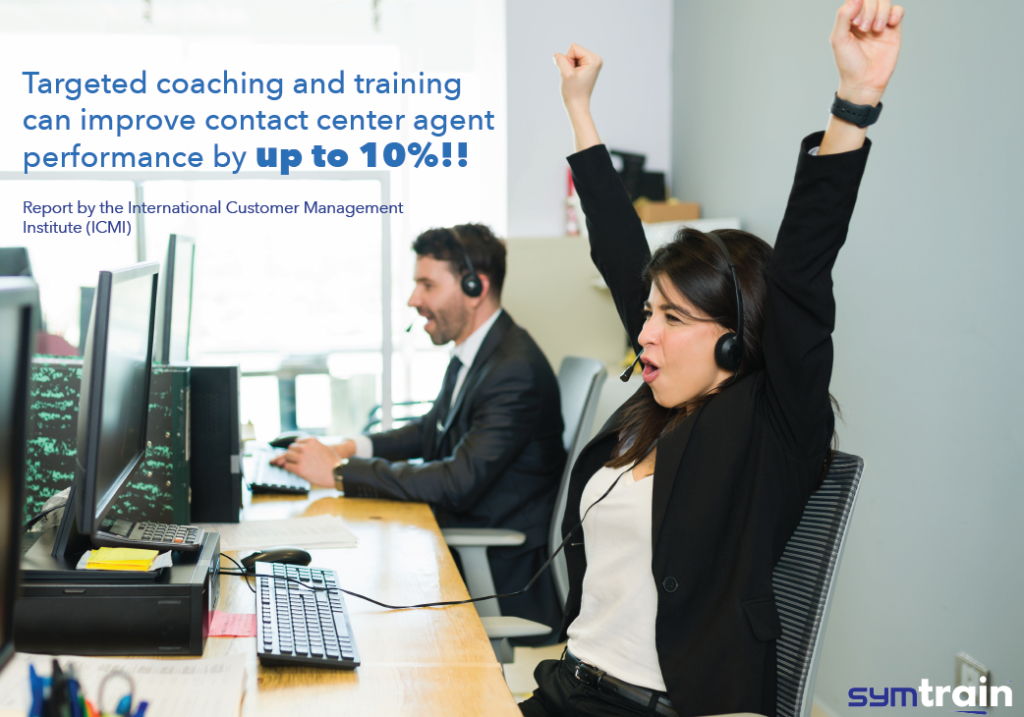
Agent Performance and Training: QA helps in identifying training needs for agents. By analyzing interactions, contact centers can pinpoint specific areas where agents need improvement and provide targeted training, thus enhancing overall performance. A study by the International Customer Management Institute (ICMI) found that targeted coaching and training can improve contact center agent performance by up to 10%. 

Reducing Operational Costs: Effective QA processes can help in reducing operational costs by identifying and rectifying inefficiencies in interactions. By streamlining interactions and improving first-contact resolution rates, contact centers can reduce the number of repeat calls, thereby lowering operational costs. 

Ensuring Compliance and Reducing Risks: QA is vital in ensuring compliance with industry regulations and standards. Regular monitoring helps in mitigating risks associated with non-compliance and protects the company’s reputation. 

Metrics and Performance Analysis: QA scorecards and metrics provide valuable insights into the overall effectiveness of the contact center operations. These metrics are crucial for strategic decision-making and continuous improvement. 

“Integrating SymTrain coaching exercises with a QA Tool is a game changer for ETech customers”, Jim Iyoob, Chief Customer Officer of Etech Global Services. 

Leveraging QA Scorecards 

SymTrain, a leader in AI-driven training and coaching simulations, offers a revolutionary approach to enhancing agent performance through the use of QA Scorecards. This methodology empowers organizations to deliver more efficient, targeted, and data-driven coaching. 

Understanding SymTrain’s Scorecard Approach 

Customized Simulations Aligned with QA Scorecards: SymTrain utilizes QA scorecards as a foundation to build customized simulations. These Syms are tailored to address the specific pain points and gaps identified through the quality process, allowing for targeted agent training. 

Efficient Use of Data: By analyzing a wide range of data, including successful agent calls and other key performance metrics, SymTrain identifies areas where agents excel and where they need improvement. This data-driven approach ensures that training is focused and relevant. 

The Process of Building and Using Syms: The process starts by identifying the biggest pain points from the QA scorecards. Syms are then created to match these areas, providing agents with scenarios that mirror real-life challenges. The simulations are not just static but are adapted and evolved based on ongoing performance data, ensuring they remain relevant and effective. 

Targeted Coaching Opportunities: SymTrain’s system identifies specific coaching opportunities for each agent, based on their individual performance in the Syms. This allows for personalized coaching, targeting the exact skills each agent needs to improve. 

Streamlining Agent Training: The use of scorecards in building Syms streamlines the training process. By focusing on specific areas of improvement, agents can quickly enhance their skills, leading to better performance in actual customer interactions. 

SymTrain’s innovative use of QA to build targeted training simulations represents a significant advancement in contact center coaching. By focusing on specific agent needs and utilizing data-driven insights, SymTrain enables organizations to enhance agent performance efficiently and effectively.  

Tips and Tricks

Tips and Tricks: SymTrain across the entire agent lifecycle

The recent Tips and Tricks session provided valuable insights into the platform’s capabilities and how it can be applied throughout the agent lifecycle for optimal training and development. Here are the key points discussed:

  • End-to-End Customer Support: SymTrain offers comprehensive support from onboarding to customer success, ensuring that teams can fully leverage the platform’s capabilities throughout the customer lifecycle.
  • Adaptability for Various Use Cases: The platform accommodates a wide range of use cases, offering flexible and customizable content to meet the diverse needs of different teams and industries.
  • Content Editing Made Simple: Users can easily edit simulations to focus on the most relevant parts of the training material, allowing for a more targeted training approach.
  • Realistic Training with Branching Syms: The platform’s branching Syms feature enables the creation of multiple scenarios within a single simulation, mirroring the unpredictability of real-life customer interactions.
  • Streamlined Scripting Process: Users can add new branches to simulations by uploading scripts directly, and favorite simulations can be reused by downloading and uploading the script with necessary adjustments.
  • AI and Audio Integration: The platform allows for the integration of AI-generated content or audio recordings, providing additional resources to create effective training simulations.
  • Creative Use of Existing Content: The workshop encouraged thinking creatively about how to repurpose and adapt existing content within the platform to suit different stages of the agent training lifecycle.

Watch It Again!

For those who missed the live session, we invite you to watch the full video to explore these features in detail and learn how to implement them within your own teams. The full workshop is available and offers a deep look into the practical applications of SymTrain, ensuring you can harness its full potential for your contact center’s training needs.

The Financial Impact of AI Simulation Coaching 

A report by Verint states that AI is fundamental in improving the customer experience due to its ability to understand customer expectations and deliver this information to agents, among other insights. That is great for contact centers. But, the integration of AI simulation into corporate training programs goes beyond that, and heralds a new era of unthinkable benefits for these companies related to the cost efficiency and enhanced return on investment (ROI) it can provide.   

AI-driven simulations allow a wide range of financial benefits, positioning them as an advantageous choice for organizations aiming to optimize training investments while delivering high-caliber learning experiences. A recent report by Balto found that 75.56% of contact center managers and leaders saw ROI from their AI tools, with increases in company revenue, faster agent onboarding, and increased conversion rates.  

Reduced Costs and Time with AI Simulation 

The use of AI simulation for training purposes significantly streamlines the learning process. By automating content delivery, generating assessments, and tracking operations, AI simulations free up valuable resources and time. This efficiency, as noted in a study by Zoho Learn, is key to reducing overall training costs. 

Enhanced ROI through Personalized Learning Experiences 

AI simulations excel in offering personalized training experiences. They adapt to individual learning styles and needs, leading to more effective training outcomes. This tailored approach not only engages employees more deeply but also maximizes the ROI of training programs. 

Improved Training Content Quality 

AI simulations enable organizations to analyze current trends and craft training content that is both relevant and engaging. This ensures that the training materials are continuously updated and aligned with the workforce’s evolving needs. 

Leveraging Advanced Analytics 

The advanced analytics capabilities of AI simulations offer in-depth insights into the effectiveness of training programs. These metrics and analytics help organizations make informed decisions to optimize their training initiatives, leading to a more efficient use of resources and a better ROI. 

SymTrain’s Impact on Revenue 

SymTrain has been proven to move conversion rates up 15% and collections rates by an astounding 60%. Regardless of your average sell price or collection amounts these are game changing improvements, in some cases $15,000 per agent per day 

SymTrain’s Impact on Attrition 

SymTrain has been effective in reducing attrition rates significantly. Customers who implemented SymTrain experienced only an 8% departure rate of new hires within the first 90 days, compared to the industry average of 35%. This suggests that SymTrain’s approach not only fosters a more capable workforce but also helps in cultivating a resilient and committed team, contributing to the long-term success of an organization. 

SymTrain’s Impact on Operational Efficiency 

In terms of operational efficiency, SymTrain’s AI-powered training and coaching has led to a notable improvement in agent performance, with a 7-9% increase. Additionally, the platform has been successful in reducing training time for agents by up to 50%, representing a substantial decrease in operational costs and resource allocation for training purposes.  

SymTrain’s Impact on Operational Costs 

SymTrain stands out as the best and most economical AI simulation training solution, offering significant daily cost savings and rapid value delivery for organizations. With SymTrain, companies can expect daily cost savings of approximately $32,000, making it a financially savvy choice for optimizing training processes.  

“SymTrain helped us reduce training time and resources with a 50% reduction in side-by-side practice and role play time. Instant scoring and feedback with emotional measures best align with the real-world environment. Allstate spends a lot of money on new people and SymTrain has had a major impact.”, Jacob Leach, Director of Learning & Development at Allstate. 

Impressively, SymTrain demonstrates its efficiency and effectiveness by generating a 4 – 7% decrease in cost-to-serve within just 6 to 8 weeks of implementation. This rapid impact is further underscored by SymTrain’s ability to deliver tangible value within a mere 3 to 4 weeks, showcasing its swift integration and effectiveness. This is achieved by effectively filling the learning gap with SymTrain’s innovative training approach, providing a cost-effective solution that doesn’t compromise on quality or outcomes.  

AI simulation in training not only enhances the efficiency of the learning process but also brings forth considerable financial advantages. AI simulations are transforming corporate training, yielding both cost savings and an amplified ROI.